
 Posted by
 The dream of a busy real estate practice can quickly become a nightmare of missed calls and mounting stress. This is how I moved from being a frantic juggler to a calm conductor, building a sustainable system for managing multiple clients and transactions. I will never forget the month my business finally took off. After years of grinding, the leads started converting, the listings started coming in, and my phone would not stop ringing. It was everything I had worked for, and I was utterly miserable. I was a caricature of a stressed-out realtor, constantly speeding between showings, my car a mobile office littered with coffee cups and forgotten flyers. I was living in a state of low-grade panic, terrified I would send a buyer’s offer to a seller or forget a critical deadline for an inspection. The breaking point was missing a call from an anxious first-time buyer because I was in a heated negotiation for a different client. By the time I called back, they had lost confidence in me. I had not just lost a transaction; I had broken a promise. In that moment of failure, I realized that being busy was not the same as being effective. To survive, and to serve my clients with the excellence they deserved, I had to stop juggling and start building a system.
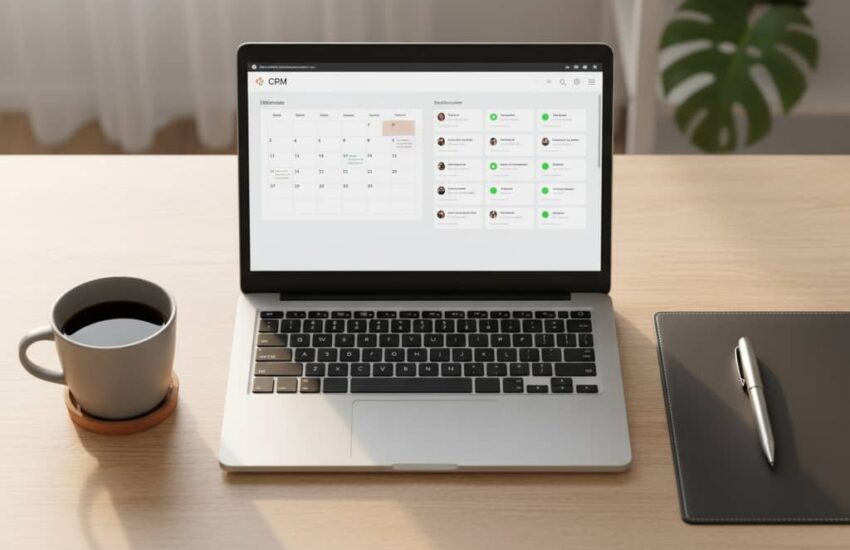
The cornerstone of my new approach was the ruthless implementation of a Customer Relationship Management system. This was not merely a digital contact list; it was the central nervous system of my business. I migrated every client, every lead, and every past connection into this single platform. The true transformation, however, came from how I used it. I stopped relying on my memory. For every client, I created a detailed profile that included not just their name and number, but their must-haves, their deal-breakers, the names of their children and pets, and notes from our last conversation. More importantly, I built a pipeline for each type of client—buyers under contract, active sellers, new leads. This visual representation of my workload was a revelation. I could see at a glance where every transaction stood, from the initial contact to the closing table. It allowed me to be proactive instead of reactive. I could see that Mr. Chen’s inspection response was due in two days, and that a new listing was about to hit the market that would be perfect for the Johnson family. The CRM stopped the mental gymnastics and gave me a bird’s-eye view of my entire practice.
With a system to track my commitments, the next step was to master my time. I abandoned the chaotic, day-by-day approach and adopted a theme-based weekly schedule. I designated specific blocks of time for specific activities, and I treated these blocks as immovable appointments. Mondays became for marketing and listing preparation. Tuesdays and Wednesdays were dedicated to buyer and seller appointments, with showings clustered geographically to minimize drive time. Thursdays were reserved for administrative work, contract writing, and negotiating. Fridays were for follow-ups, checking in with all my active clients to provide a weekly update, and planning the following week. This structure was liberating. It meant that when I was with a client, I was fully present with them, not anxiously thinking about the other ten things I needed to do. My phone was on “Do Not Disturb” during focused work blocks, and I scheduled specific times to return calls and emails in batches. This disciplined approach communicated professionalism to my clients. They knew they would get a thoughtful, uninterrupted conversation during our appointments, and that their calls would be returned promptly during my designated communication windows.

Communication, I learned, is the glue that holds multiple transactions together, and its effectiveness is directly tied to expectation management. In the past, I thought being available 24/7 was good service. I learned it is a path to burnout and client dependency. Now, I set clear communication protocols from our very first meeting. I explain my system: I am highly responsive during business hours, I return all calls and emails within a few hours, and for true emergencies, they have my cell number. I also implemented a proactive update system. Instead of waiting for clients to ask me for news, I contact them every Friday with a simple, templated email update on their transaction. For my sellers, it includes showing feedback and market activity. For my buyers under contract, it is a checklist of where we are in the process and what the next steps are. This single habit has done more to build trust and reduce anxiety than anything else I have done. Clients feel cared for and informed, which drastically reduces the number of panicked, mid-day calls. They are partners in the process, not passengers left in the dark.
Balancing multiple clients is not about working harder; it is about working smarter with rigorous discipline. The frantic, reactive realtor I once was could never have sustained this level of business. The system I built—part technology, part time management, part communication strategy, allows me to be the calm, confident guide my clients need. The chaos has been replaced by a predictable, efficient rhythm. I no longer feel like a juggler about to drop a ball. I feel like a conductor, guiding a symphony of transactions to a successful and harmonious close, ensuring that each client feels they are my only client, even when they are one of many.
References:
LinkedIn. (2024, May 22). Managing multiple transactions: Tips for busy real estate agents. https://www.linkedin.com/pulse/managing-multiple-transactions-tips-busy-real-estate-agents-kusff
Fathom Careers. (2025, July 2). 7 strategies to improve your transaction coordination. https://fathomcareers.com/7-strategies-to-improve-your-transaction-coordination/
Boston Real Estate Class. (2022, May 29). How to manage multiple real estate clients. https://www.bostonrealestateclass.com/posts/how-to-manage-multiple-real-estate-clients/
Real Office 360. (2025, September 15). Deal management’s best tips and tricks for realtors. https://realoffice360.com/article/deal-management-best-tips-and-tricks
DX Broker Training & Services. (2024, July 18). Mastering client management: Tips for real estate agents. https://dxbtraining.ae/zh/blog/article/6/mastering-client-management-tips-for-real-estate-agents