
 Posted by
 Get ready for your home appraisal with our expert guide. Learn how to prepare your property, present compelling evidence, and potentially increase your home’s appraised value with these proven strategies. I still remember the nervous anticipation before my first major home appraisal. I had spent weeks preparing, yet I felt like I was heading into a test for which I didn’t know the answers. The appraiser arrived with a clipboard and a measuring tape, his expression unreadable. As I watched him move silently through my home, I realized this wasn’t about my emotional attachment to the house or the memories we’d created there. This was a clinical assessment of value, and I had failed to speak the appraiser’s language. That experience taught me everything I now know about preparing for an appraisal. It’s not about last-minute cleaning or hiding flaws. It’s about strategically presenting your property as a valuable asset and providing the concrete data an appraiser needs to justify the highest possible value.
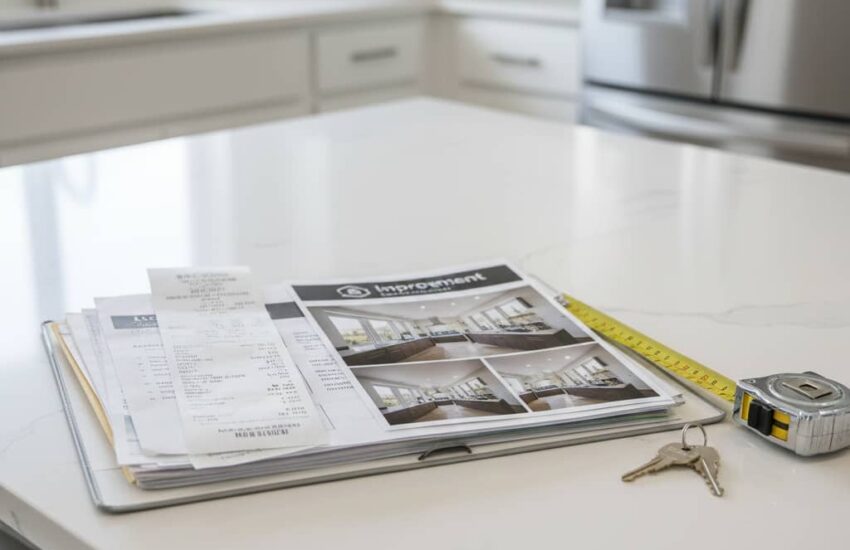
The single most important thing you can do to prepare happens before the appraiser even schedules the visit. You need to become a researcher and a document collector. Appraisers rely heavily on recent sales of comparable properties in your neighborhood, but they might not know about every positive feature of your home. Create a detailed packet of information that includes a list of major improvements you’ve made. Be specific. Instead of writing “updated kitchen,” note “professional kitchen renovation in 2022 including quartz countertops, custom cabinetry, and energy-efficient stainless steel appliances.” Include the cost if you have it. Gather receipts and before-and-after photos. This documentation transforms your claims from subjective opinion into verifiable fact, giving the appraiser solid ground to assign a higher value to these upgrades.
Next, you must shift your mindset from homeowner to critical observer. Walk through your property as if you are seeing it for the first time, and address any minor issues that could subtly suggest neglect. This is not about costly renovations; it’s about maintenance and presentation. Ensure all light bulbs are working, fix leaky faucets, replace cracked switch plates, and oil any squeaky doors. A well-maintained home signals to the appraiser that the major, unseen systems like plumbing and electrical have also been cared for. The goal is to present a home that appears move-in ready, because the appraiser’s final value will reflect the cost of any immediate repairs needed. A series of small, unaddressed issues can create a perception of deferred maintenance that negatively impacts the valuation.
While cosmetic updates are not formally part of the appraisal, the overall condition and appeal of your home absolutely influence its assessed value. Appraisers are human, and a clean, bright, and welcoming home makes a positive impression. Focus on maximizing what they call “curb appeal” and “flow.” The exterior is the first thing they see, so make sure the lawn is mowed, the garden is weeded, and the entryway is clear and inviting. Inside, your mission is to make the home feel spacious and neutral. Declutter every room, including countertops, closets, and basements. A cluttered space feels smaller and can make storage areas seem insufficient. Open all curtains and blinds to let in natural light, and ensure your home is spotlessly clean. These efforts help the appraiser see the full potential and actual square footage of your property without distraction.

During the appointment itself, your role is to be a helpful and informed resource, not a hovering presence. Greet the appraiser politely and provide them with the information packet you prepared. Then, give them space to do their job. You can offer to answer any questions, but do not follow them from room to room. If you have features that are not immediately obvious, such as a new roof, a recently replaced HVAC system, or custom built-in shelving, point them out discreetly. Be prepared to answer questions about the age of certain systems and the scope of your renovations honestly. The appraiser is creating a report for the bank, not for you, and their valuation must be defensible with objective data. Your preparation provides them with the evidence they need to build a strong case for your home’s highest and best value.
Ultimately, preparing for an appraisal is about building that defensible case. You are assembling the evidence and presenting your property in its best possible light to support the value you believe it holds. By taking these proactive steps, you move from being a passive participant to an active advocate for your largest financial asset. You are not trying to trick the appraiser; you are ensuring they have all the necessary information to arrive at a fair and accurate valuation. A well-prepared home demonstrates pride of ownership and a history of proper care, two factors that can significantly influence the final number on that all-important report.
References:
National Association of Realtors. (2023). How to prepare for a home appraisal. https://www.nar.realtor/how-to-prepare-for-a-home-appraisal
U.S. Department of Housing and Urban Development. (2022). Home appraisal process and tips. https://www.hud.gov/buying/appraisal
Zillow Group. (2023). Tips for a successful home appraisal. https://www.zillow.com/home-values/appraisal-tips/