
 Posted by
 The first agent I called assured me she could handle it. She sold homes in my target city all the time, she said. International transactions were no different, just a few extra forms. I believed her. Three months later, I’d lost a dream property, wasted thousands on translation fees, and learned a painful lesson: selling homes in a city is not the same as helping someone buy from across an ocean.
Finding someone who truly knows how to find a realtor who specializes in international real estate became my obsession. Here’s what I discovered. International real estate is a completely different game. The financing works differently. The legal systems, property rights, tax implications, currency exchange risks, none of this exists in a domestic transaction. An agent who’s brilliant at selling suburban Chicago may be utterly lost navigating the nuances of a Lisbon condo purchase.
The first thing I learned is that credentials matter. Look for the CIPS designation—Certified International Property Specialist. This isn’t just a certificate someone prints at home. It requires coursework, exams, and demonstrated experience in cross-border transactions. Agents with CIPS have studied currency fluctuations, international tax treaties, foreign legal systems, and cultural differences in negotiation. They’ve done the homework.
I found my eventual agent through the National Association of Realtors’ global directory. She had CIPS, plus a decade of experience helping American buyers in Portugal. When I asked about her process, she didn’t hesitate. She walked me through timelines, costs, red flags, and exactly what I needed to do first. She had relationships with local attorneys, inspectors, and currency exchange specialists. She wasn’t learning on my dime.
The second lesson: language matters less than you think. My agent didn’t speak Portuguese fluently, but she had a network of translators and local partners who did. What mattered more was her ability to translate cultural differences in business practices. She knew that negotiations move slower in some countries. She understood that “available” might mean something different than it does in the US. She could read between the lines of local listings.
Ask potential agents about their network. Do they have trusted partners in your target country? Attorneys, accountants, inspectors, currency specialists? A solo agent without a team is a red flag. International transactions require a village.
I also learned to ask about their typical client. Have they worked with buyers from your country before? Do they understand the specific challenges you’ll face, financing from abroad, navigating visa implications, managing time zone differences? An agent who mostly works with locals won’t anticipate your needs.
References are non-negotiable. I called every reference my agent provided. I asked about communication across time zones, about hidden costs that surprised them, about how problems got resolved. One reference told me about a closing that nearly fell apart over a paperwork issue; my agent had flown to Portugal to hand-deliver documents. That’s the kind of commitment I wanted.
Financing is where many international transactions derail. Most domestic lenders won’t touch a foreign property. Your agent should have relationships with banks that specialize in cross-border mortgages, or at minimum understand the alternatives, cash purchases, home equity loans on your domestic property, or seller financing. My agent connected me with three lenders who regularly worked with American buyers in Portugal. I didn’t have to start from zero.
Currency exchange is another hidden complexity. Exchange rates move daily. A property priced at 500,000 euros could cost you $540,000 or $460,000 depending on when you transfer funds. A good international agent will connect you with a currency specialist who can help you lock in rates, hedge against fluctuations, and structure transfers efficiently. My agent’s partner saved me nearly $15,000 compared to what my bank would have charged.
The legal side is where inexperienced agents fail catastrophically. Property laws vary wildly between countries. Who pays what taxes? What inspections are required? Are there restrictions on foreign ownership? What’s the closing process? My agent couldn’t practice law—no realtor should—but she knew exactly which questions to ask and which local attorney to bring in. She’d seen deals fall apart over issues she could now spot from a mile away.
Time zones are a practical nightmare. I was six hours behind my agent. She was six hours behind the local team in Portugal. Communication required discipline. We established a system: email for non-urgent questions, WhatsApp for urgent, and a shared calendar with everyone’s working hours. My agent answered messages at odd hours without complaint. When I needed to video tour a property at 2 AM her time, she was there.
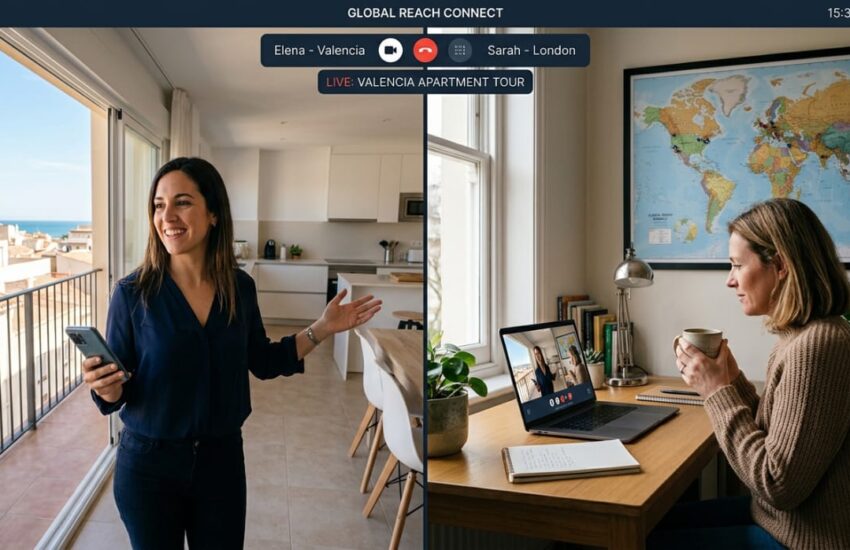
Virtual showings became essential. My agent didn’t just send photos. She walked through properties on video, narrated what she saw, panned to show me views and flaws. She knew what details mattered to remote buyers, the condition of the roof, the noise from the street, the smell of the hallway. She’d send me videos of neighborhoods, showing me the walk to the train station, the nearby grocery store, the feel of the street at different times of day.
I also learned to trust my gut. One agent I interviewed was technically qualified but made me feel like a transaction. Another had all the credentials but seemed overwhelmed by my questions. The agent I chose made me feel like a partner. She was patient with my fears, honest about risks, and clear about what she could and couldn’t do. When she didn’t know something, she said so, then found the answer.
The closing itself was an international relay race. Documents flew back and forth across oceans. My agent coordinated the local attorney, the title company, the lender, the translator, and the notary. She caught a mistake in the deed that would have cost me thousands. She negotiated a repair credit when the inspection revealed issues. When the wiring transfer got delayed, she worked through the night to get it resolved.
Now I own a small apartment in a Lisbon neighborhood I love. The process took eight months, cost more than I’d planned, and tested my patience in ways I hadn’t imagined. But the right agent made it possible. She wasn’t just selling me a property; she was guiding me through a foreign legal system, a different business culture, and the emotional challenge of buying a home I couldn’t touch.
If you’re considering an international purchase, start your agent search early. Interview multiple candidates. Ask the hard questions. Check credentials, call references, trust your instincts. The right agent won’t just find you a property; they’ll find you a path through a process that no one should navigate alone.
There’s so much more to learn about international real estate. Our website is filled with articles on cross-border financing, legal considerations, and finding the right professionals. Head over and explore, because your dream home might be across an ocean, but the right agent makes it feel closer.
References
National Association of REALTORS®. (2014, March 20). *Certified International Property Specialist (CIPS)*. https://www.nar.realtor/education/designations-and-certifications/certified-international-property-specialist-cips
National Association of REALTORS®. (2017, September 2). *International real estate*. https://www.nar.realtor/international-real-estate
National Association of REALTORS®. (2012, January 10). *CIPS designation*. https://www.nar.realtor/education/designations-and-certifications/cips-designation
National Association of REALTORS®. (2012, January 10). *Become a CIPS designee*. https://www.nar.realtor/designations-and-certifications/cips-designation/become-a-cips-designee
Har realtor Association of Greater Houston. (2025, January 3). *Certified International Property Specialist (CIPS)*. https://www.har.com/certified-international-property-specialist/CIPS_real_estate_agents