

 Posted by
 I thought I’d done everything right. I hired a home inspector, read the report carefully, and negotiated repairs with the seller. The roof was fine, the foundation was solid, and the major systems were functional. I closed on the house feeling confident and prepared. Six months later, I discovered the mold.
It was hidden behind basement paneling, growing quietly for years. The inspector hadn’t seen it. The seller hadn’t disclosed it. And I was left with a twenty-thousand-dollar remediation bill and a painful lesson: a standard home inspection is not the same as a comprehensive property condition report.
That experience taught me something I’ll never forget: understanding the importance of property condition reports in real estate transactions isn’t just about avoiding surprises. It’s about protecting your investment, your health, and your peace of mind. Here’s what I wish someone had explained to me before I bought that house.
A property condition report is more detailed than a standard home inspection. While an inspection focuses on visible, accessible systems and components, a condition report often includes predictive analysis, estimated remaining useful life of major systems, and potential red flags that warrant further investigation by specialists. It’s not just a snapshot of what’s wrong today; it’s a forecast of what could go wrong tomorrow.
The first thing I learned is that not all property condition reports are created equal. Some are simple checklists completed by sellers, disclosing known defects. Others are comprehensive evaluations performed by licensed inspectors or engineers.
In my state, sellers are required to provide a disclosure statement, but that only covers what they know, not what they don’t know or what they choose not to investigate. A buyer-ordered condition report goes deeper, uncovering issues the seller might not even be aware of.
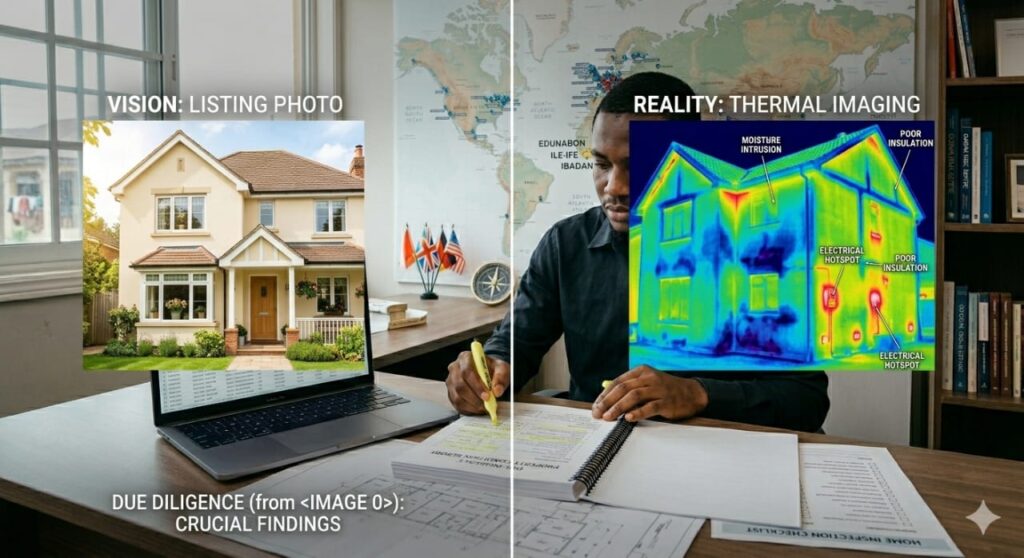
The mold problem fell into that category. The seller genuinely might not have known it was there. But if I’d ordered a more thorough condition report, one that included moisture testing or thermal imaging—someone might have caught it before I signed on the dotted line.
The second lesson was about scope. A standard home inspection typically covers the roof, foundation, electrical, plumbing, HVAC, and major appliances. But many things fall outside that scope. Termite damage. Mold. Asbestos. Lead paint. Underground oil tanks. Septic systems. Wells. Chimneys. Swimming pools. Each of these requires a specialized inspection, and a good property condition report will identify which specialists you need to call.
I learned to ask my inspector not just “What’s wrong?” but “What else should I have looked at?” That question led me to bring in a structural engineer for an old house I nearly bought. He found foundation issues that the general inspector had missed. That report cost me five hundred dollars and saved me fifty thousand.
The third lesson was about timing. Property condition reports need to happen during the due diligence period, that window between accepted offer and closing, when you have the right to inspect and negotiate. If you wait too long, you lose your leverage. If you rush, you might miss something critical. A good realtor will help you schedule inspections promptly and leave enough time to review findings, get contractor bids, and renegotiate with the seller.
My mold house taught me this the hard way. I’d used my inspection contingency to negotiate roof repairs, but I hadn’t left time for additional testing. When the mold appeared months later, I had no legal recourse. The contingency was long gone.
The fourth lesson was about reading the report critically. My first inspection report was dozens of pages long, full of technical language and caveats. I skimmed it, looked for red flags, and called it done. Now I know better. I read every line. I look for phrases like “further evaluation recommended” or “unable to inspect due to limited access.” Those phrases are clues. They’re the inspector telling you that something might be hiding.
I also learned to pay attention to what’s not in the report. An inspector who doesn’t test for radon, doesn’t check the septic, doesn’t go on the roof, that inspector is leaving gaps. A thorough property condition report isn’t just about what they found; it’s about what they looked for and how thoroughly they looked.
The fifth lesson was about using the report in negotiations. A good condition report gives you leverage. When my future brother-in-law found termite damage in his inspection, he didn’t just walk away. He got a repair estimate, presented it to the seller, and negotiated a credit that covered the full cost of treatment and repairs. The report wasn’t a deal-breaker; it was a negotiating tool.
I’ve also seen buyers use condition reports to walk away from bad deals. The report gives you an out-of-the-box, factual, documented, and defensible report. If the report reveals issues that exceed your tolerance or budget, you can terminate the contract and get your earnest money back. That’s not failure; that’s wisdom.
The sixth lesson was about recognizing that no property is perfect. Every house has issues. Every condition report will list problems. The question isn’t “Are there problems?” but “What problems am I willing to accept?” A roof with five years of life left is different from a roof that’s leaking today. A dated kitchen is different from knob-and-tube wiring. A good realtor will help you distinguish between cosmetic flaws and structural nightmares.
I almost walked away from my current home because the inspection report showed a cracked window and a dripping faucet. My realtor talked me down. “Those cost two hundred dollars to fix,” she said. “The house is solid.” She was right. I bought it, fixed the small stuff, and haven’t regretted it once.
The seventh lesson was about specialists. A general inspector is essential, but they’re not the final word. When the condition report flagged potential foundation issues, I brought in a structural engineer. When I noted older plumbing, I called a plumber. When it mentioned the age of the roof, I got a roofer’s opinion. Each specialist costs money. Each one also saved me from costly surprises or gave me confidence to move forward.
The eighth lesson was about new construction. Many buyers assume new homes don’t need inspections. They’re wrong. I’ve seen new builds with faulty wiring, improper insulation, grading issues that cause flooding, and major systems installed incorrectly. A property condition report on a new build isn’t about finding wear and tear; it’s about finding construction defects before the warranty expires.
The ninth lesson was about the emotional side. Reading a property condition report is stressful. Every flagged issue feels like a betrayal, like the house you loved is turning against you. I learned to separate emotion from data. The report isn’t attacking you; it’s informing you. It’s not saying the house is bad; it’s saying here’s what you need to know to make a smart decision.
The tenth lesson was about moving forward. A condition report isn’t the end of the conversation; it’s the beginning. Use it to make an informed choice. Proceed, negotiate, or walk away. Each option is valid. The only wrong choice is ignoring what the report tells you.
My mold house was a painful lesson. But I’ve applied what I learned to every purchase since. I order thorough inspections. I read reports carefully. I hire specialists when needed. I use findings to negotiate. And I sleep better knowing I’ve done my due diligence.
If you’re buying a home, don’t skip the property condition report. And don’t treat it as a formality. Treat it as the essential tool it is, a window into the home you’re about to invest in, and a shield against surprises you don’t deserve.
There’s so much more to learn about protecting yourself in real estate transactions. Our website is filled with articles on inspections, negotiations, and working with professionals. Head over and explore, because knowledge is the best protection against costly surprises.
References
The ASTM E2018-15 “Standard Guide for Property Condition Assessments” provides a baseline process for evaluating commercial real estate, including walk-through surveys, document reviews, and reporting physical deficiencies to support transactions.
A study in the *Journal of Real Estate Practice and Education* explores using crowd wisdom for accurate property condition assessments via photos, improving valuation in real estate appraisals.
The South Carolina Residential Property Condition Disclosure Act (Title 27, Chapter 50) mandates disclosure statements on residential property conditions, regulated by the Real Estate Commission to protect buyers.
U.S. Department of Housing and Urban Development’s FHA standards require properties to meet safety, security, and soundness criteria during appraisals, ensuring livable conditions for financed homes.
The Royal Institution of Chartered Surveyors (RICS) Home Survey Standard for Level 1 (Condition Report) offers professional guidance on basic property inspections, highlighting defects for buyers and sellers.