
 Posted by
 When I sold my first home, I made a classic mistake. I priced it based on what I needed and what I thought it was worth. I ignored the data, overruled my agent, and listed high. The house sat for weeks with no showings. I ended up dropping the price multiple times and sold for less than my agent’s original recommendation.
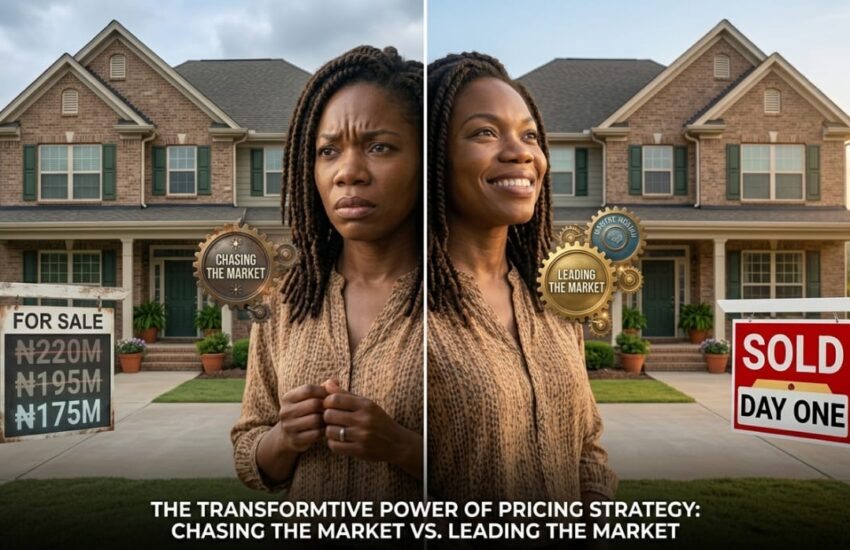
I learned that pricing is not about what you want or what you need. It is about what the market will bear. And pricing is the single most powerful tool you have. Homes that are priced correctly from the start attract more attention, sell faster, and often close for a better final price than homes that start too high and chase the market down .
The foundation of any good pricing strategy is a comparative market analysis. A CMA puts your home side by side with recently sold properties that are similar in location, size, condition, and amenities . The most relevant comparables are those that sold in the last 60 to 90 days, as they reflect where pricing actually landed. Pending sales show current demand, and active listings show what buyers are comparing your home against right now . A strong agent will dig deeper, adjusting for differences like upgrades, additions, road noise, or school district quality .
I also learned that there are different strategies for different goals. An at-market price is supported by data and creates balanced negotiation. A premium price pushes the value and may require patience, or a future reduction. The bidding war number, sometimes called an auction strategy, prices slightly below market to spark competition and generate multiple offers . That strategy can work in a seller’s market or for properties with high unique appeal, but it carries the risk of leaving money on the table if the competition does not materialize.
One of the most important lessons was about overpricing. It seems harmless to start high and lower later, but the delay is what hurts. The longer a home sits, the more buyers assume something is wrong with it. An overpriced listing often takes significantly longer to sell, attracts bargain-seeking offers, and requires multiple price cuts to regain attention . Once a listing goes stale, even a later drop does not erase that first impression.

In a shifting or slower market, pricing ahead of the competition is critical . Sellers who try to price based on yesterday’s comparables often find themselves behind. The homes that sell first are the ones that are aligned with the market from the beginning . Many agents now use a “two weeks or ten showings” agreement, where if the property does not generate a verified offer within a defined period, the listing is repositioned to better reflect market expectations .
The psychology of pricing also matters. Some sellers use charm pricing, ending with a nine, such as $499,000 instead of $500,000. Research shows this strategy can work for more affordable homes, boosting final sale price by nearly four percent. But on higher-priced properties, charm pricing can backfire, leading to a 1.7 percent drop in final sale price, or about six thousand dollars on a $350,000 home . Some agents also warn that charm pricing can group a home with lower-value comparables during the appraisal process or make it invisible to buyers filtering by round-number price caps .
Pricing is not just about a number. It is about understanding seller psychology, market conditions, and buyer expectations . The best agents do not argue with sellers about price. They present the facts, ask good questions, and let the seller decide, but they also bring a clear, proven strategy and set realistic expectations . They do not just offer comps; they offer a plan for what happens if the home does not sell within a certain timeframe .
I also learned that pricing is tied to presentation. Buyers in today’s market expect homes to feel updated and move-in ready . Even the right price cannot overcome poor photos, clutter, or visible neglect. Professional staging, fresh paint, minor repairs, and excellent photography all support a pricing strategy by helping buyers see the value you are asking for .
Pricing your home is not a guess. It is a strategic decision that impacts every part of the selling process. The right price attracts serious buyers. The wrong price costs you time, money, and momentum. Working with a knowledgeable agent who understands both data and human behavior can help you choose a strategy that fits your goals.
There is so much more to learn about navigating the home selling process. Our website is filled with articles on market analysis, pricing strategies, and working with trusted professionals. Head over and explore, because the right price sets the stage for a successful sale.
References
Zillow. (2024, October 21). *How to price your home to sell*. https://www.zillow.com/learn/how-to-price-home-to-sell/
Investopedia. (2025, May 30). *Selling smart: Keep emotions out of your home pricing strategy*. https://www.investopedia.com/emotions-vs-market-trends-stratgeies-for-setting-the-right-price-for-your-home-11734339
Clever Real Estate. (2025, July 17). *5 home pricing strategies that work wonders for sellers*. https://listwithclever.com/real-estate-blog/5-home-pricing-strategies-that-work-wonders-for-sellers/
Baker, R. (2024, May 22). *Home pricing strategies: 8 expert tips for sellers*. https://riezlbaker.com/blog/8-home-pricing-strategies-expert-tips-and-recommendations
HomeLight. (2026, July 20). *6 go-to house pricing strategies used to sell real estate*. https://www.homelight.com/blog/house-pricing-strategies/