
 Posted by
 Don’t overlook property taxes when buying a home. Learn how they’re calculated, impact your monthly payment, and vary by location, school district, and home value. When calculating the cost of a new home, the mortgage principal and interest are the headliners.
Yet, there’s a silent, permanent partner in the monthly payment that can significantly alter affordability: property taxes. Unlike the loan, which you eventually pay off, property taxes are a perpetual obligation to your local municipality and school district. Their role in the home buying process is twofold: they are a critical factor in your long-term budget and a direct influencer of a home’s desirability and value.
Understanding them isn’t just about seeing a number on a listing; it’s about decoding what that number funds, how it might change, and what it truly means for your cost of homeownership.
Property taxes are calculated by applying a local tax rate, often called a millage rate, to the assessed value of your home and land. It’s crucial to know that the assessed value is determined by a county tax assessor and is not the same as your purchase price.
After you buy, the assessor will likely reassign a value based on the sale, which can cause your tax bill to increase. The tax rate itself is set by local governments (city, county, school district) to fund essential services like public schools, police and fire departments, road maintenance, and libraries.
This means two identical houses, just across a street in different school districts, can have vastly different tax bills. The rate reflects the cost and quality of the community’s infrastructure and services.
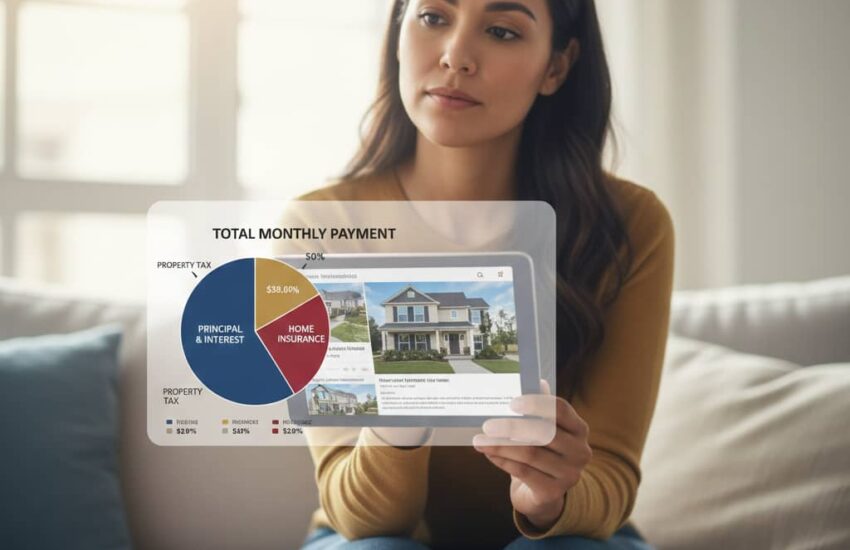
During the home buying process, property taxes directly impact your debt-to-income ratio and monthly escrow payment. Lenders will calculate your anticipated annual tax bill and include 1/12th of that amount in your estimated monthly mortgage payment, holding those funds in an escrow account to pay the tax bill when it comes due.
A high tax bill can push your total monthly payment beyond what you qualify for or are comfortable paying. This makes it essential to verify the current tax amount with the listing agent or county records, but also to project forward.
Ask about recent assessment trends and any planned bond measures or rate increases that could raise taxes in the near future. Never rely solely on the seller’s current bill.
The variation in tax rates creates a key strategic consideration for buyers. A home in a top-rated school district or a municipality with extensive amenities often carries a higher tax rate.
You are, in essence, paying a premium for those services and the perceived stability and quality they bring, which often supports stronger property values. Conversely, a home in an area with lower taxes might be more affordable month-to-month, but it could signal underfunded services or less desirable schools. Savvy buyers must weigh this trade-off.
It’s also important to investigate whether the locality offers any homestead exemptions or tax relief programs for primary residents, veterans, or seniors, as these can significantly reduce your annual burden.
Ultimately, property taxes are a non-negotiable part of the social contract of homeownership. Their role in the buying process is to force a long-term, holistic view of cost.
When evaluating a home, you must look past the sticker price and mortgage rate to the true carrying cost, which includes taxes, insurance, and maintenance. A thorough understanding of local tax rates, assessment practices, and future liabilities empowers you to make a financially sound decision.
It ensures the dream home you can afford to buy is also the home you can afford to keep, year after year, sustaining both your household and the community you choose to join.
References
FACI Bus Housing. (2025, September 25). *Property tax in Nigeria: What every landowner must know*. Retrieved from https://facibushousing.com/property-tax-in-nigeria/
Plus World Realtors. (2024, January 24). *Property taxes: What every real estate owner should know*. Retrieved from https://plusworldrealtors.com.ng/2024/01/24/property-taxes-what-every-real-estate-owner-should-know/
DLA Piper. (2025, March 12). *Taxation of acquisitions in Nigeria*. Retrieved from https://www.dlapiperrealworld.com/law/index.html?t=taxes&s=tax-on-acquisitions&c=NG
Innerkonsult. (2025, May 4). *Understanding property taxes in Nigeria: What every landlord and real estate investor should know*. Retrieved from https://innerkonsult.com/understanding-property-taxes-in-nigeria-what-every-landlord-and-real-estate-investor-should-know/
Meritabode. (n.d.). *Real estate property tax in Nigeria*. Retrieved from https://meritabode.com/real-estate-property-tax-in-nigeria/