
 Posted by
 When I first listed my house, I thought a fresh coat of paint and a tidy living room would be enough. I was wrong. The house sat on the market for weeks with little interest. Then my agent suggested staging, and I reluctantly agreed. The transformation was remarkable. Within days, showings increased. Within weeks, we had multiple offers. I learned that staging is not about decorating. It is about helping buyers see themselves living there.
According to the National Association of REALTORS®, 83% of buyer’s agents said staging a home made it easier for their clients to visualize the property as their future home. The same report found that about half of the sellers’ agents reported a decrease in the time it took to sell staged homes. Some agents even reported that staging netted between 1% and 10% more in the dollar value offered. In one case, a stager helped a home sell for $300,000 over the asking price after a weekend of showings.
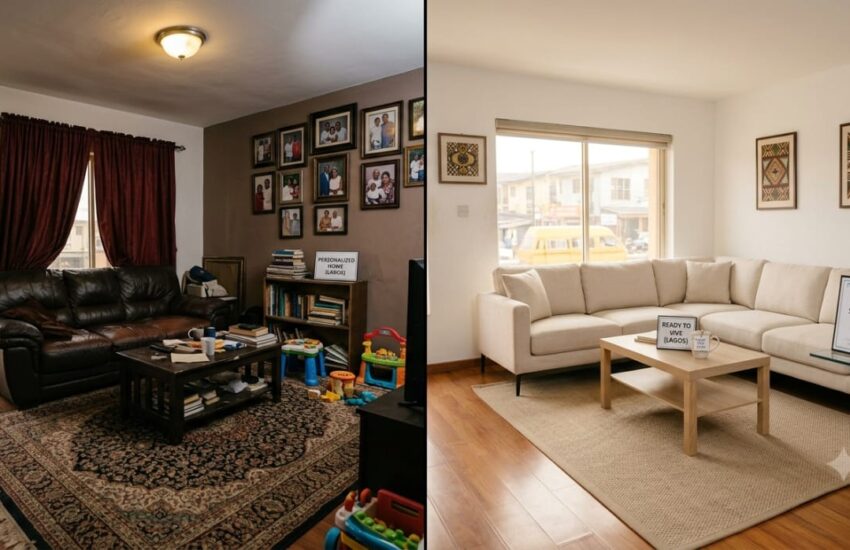
The first step is to understand what staging actually is. It is not about following the latest interior design trends or remodeling. It is centered on decluttering and styling a home so that it can be seen in its best light. The goal is to create a clean, neutral backdrop that enables buyers to see your home as their own. As one stager explained, “Staging is not decorating. Decorating a home is about personalizing it. When you’re staging a house, you’re turning it back into a product that anyone would want to buy”.
Most staging experts agree that the foundation starts with the “Three D’s”: depersonalize, declutter, and deep clean. Depersonalizing means removing family photos, personal collections, and anything that reveals your identity. Buyers need to imagine themselves in the space, not feel like they are intruding on yours. Decluttering is about creating a sense of spaciousness. Aim to remove 60% to 70% of the contents in every room. Closets should be half full, not packed to the brim. Deep cleaning is non-negotiable. A spotless home signals that it has been well cared for. Scrub floors, wash windows, and eliminate any lingering odors.
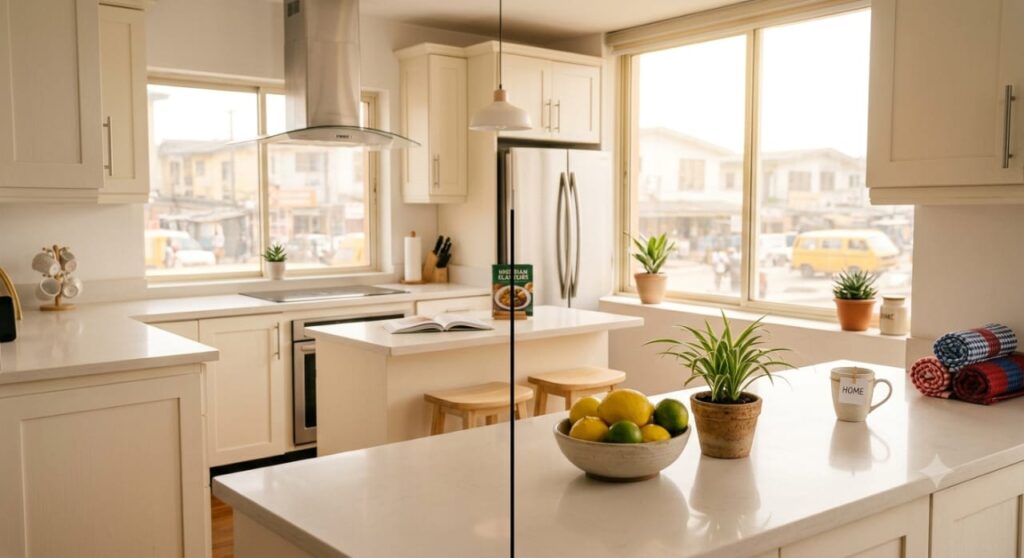
Beyond the basics, focus on high-impact areas. The living room, kitchen, and primary bedroom are the rooms that matter most to buyers. In the living room, arrange furniture to promote conversation and create a sense of flow. Remove bulky pieces that make the space feel crowded. Add soft touches like throw pillows and cozy blankets to make it feel inviting. In the kitchen, keep countertops clear of clutter. Put away small appliances. Add a simple bowl of fresh fruit or a small plant for a pop of color. In the bedroom, invest in fresh, neutral bedding. A well-made bed with plush pillows creates a hotel-like feel that buyers love.
Curb appeal sets the tone before buyers even step inside. Mow the lawn, trim hedges, and add fresh mulch to garden beds. A new welcome mat and a couple of potted plants near the front door make a strong first impression. Also, consider the details that are often overlooked. Polished doorknobs, updated light switch plates, and fresh caulk in the bathroom can subtly signal quality and care.
One of the most effective strategies in modern staging is what some call “microstaging” or “reverse staging.” This approach focuses on hardware, textiles, lighting, and accessories before moving on to larger elements like furniture. Replacing worn cabinet pulls, updating light fixtures, and adding mirrors to reflect light can create a sense of luxury without a major renovation. “Thoughtful details create a sense of luxury and sophistication,” explains one expert, noting that small, layered impressions can build a lasting sense of quality that resonates with buyers.
Lighting and scent are powerful tools. Open all curtains to maximize natural light and replace any dim or mismatched bulbs. A clean, neutral scent is ideal. Avoid strong plug-in air fresheners that can be overwhelming. A simple simmer of cinnamon sticks on the stove before a showing can create a welcoming aroma.
It is worth noting that professional staging comes in different forms. A full-service stager will bring in furniture and decor, which averages about $3,500 to $5,000 for a vacant single-family home. A consultation, where the stager provides a to-do list for you to complete yourself, typically ranges from $250 to $500. Virtual staging is a cost-effective alternative that adds furniture digitally to listing photos, though it does not replace the experience of seeing a home in person. The reality is that investing in staging is almost always more cost-effective than reducing your asking price.
Staging your home is an investment of time and effort, but it is one of the most effective things you can do to ensure a successful sale. By creating a space where buyers can emotionally connect, you are not just selling a house. You are selling a home and the lifestyle it represents.
There is so much more to learn about preparing your home for a successful sale. Our website is filled with articles on selling strategies, pricing, and working with agents. Head over and explore, because the right preparation makes all the difference.
References
Zillow. (2025, March 20). *How to stage your house for sale*. https://www.zillow.com/learn/how-to-stage-house-to-sell/
HomeLight. (2025, September 29). *Staging your home to sell: 15 specific tips that actually work*. https://www.homelight.com/blog/staging-your-home-to-sell/
Miller Waldrop Real Estate. (2025, October 21). *How to stage a house to sell for maximum profit*. https://www.millerwaldrop.com/how-to-stage-a-house-to-sell/
Redfin. (2025, August 17). *How to stage your home to sell: 5 tips to attract buyers*. https://www.redfin.com/blog/how-to-stage-your-home-to-sell/
National Association of Realtors. (2026, March 17). *Consumer guide: Staging your house for a sale*. https://www.nar.realtor/the-facts/consumer-guide-staging-your-house-for-a-sale