

 Posted by
 When I sold my first home, I assumed the first offer would be the best. I was wrong. The first buyer offered full price, which I accepted immediately without countering. I was thrilled. Then, the inspection revealed issues, and the buyer asked for repairs. We spent weeks haggling over minor details. I ended up with less money and a lot more stress than necessary. I learned that negotiation is not just about accepting the highest number; it is about structuring a deal that works for you.
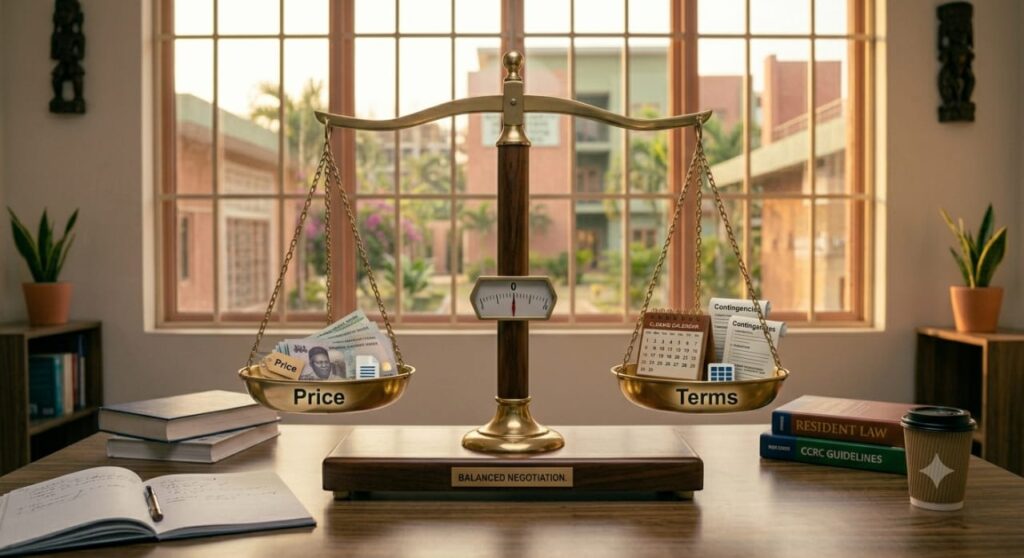
The first thing I learned is that not all offers are equal. A higher price does not always mean a better deal. Cash offers are often more attractive because they eliminate the risk of financing falling through. Offers with shorter contingencies reduce the time and uncertainty of waiting for inspections and appraisals. I learned to evaluate the whole offer, not just the top line.
I also learned that negotiation is a conversation, not a battle. When I received an offer, I did not just accept or reject it. I countered. I requested what I needed: a quick close, a higher earnest money deposit, and a waiver of minor repairs. The buyer countered. We went back and forth until we found a middle ground. I did not treat the buyer as an adversary. I treated them as a partner in creating a transaction that worked for both of us.
One of the most important skills I developed was knowing my bottom line. Before I started negotiating, I defined what I was willing to accept. I set a minimum price, a maximum concession, and a desired timeline. When the buyer asked for more than I was willing to give, I knew it was time to say no. Having a bottom line gave me confidence and prevented me from making emotional decisions.
I also learned the power of leverage. When I had multiple offers, I could use that competition to negotiate better terms. I let the buyers know there was interest and gave them a deadline to submit their best offer. I did not pressure them, but I also did not hide the fact that I had options. That transparency motivated buyers to put their best foot forward.
Conversely, when the market was slow, I had to be more flexible. I made small concessions that cost me little but mattered to the buyer, covering closing costs, leaving behind appliances, and offering a home warranty. These gestures signaled that I was willing to work with them, and they often led to a successful deal.
I also learned to listen. When a buyer asked for a concession, I did not immediately say no. I asked why it mattered to them. Sometimes the request was about the price, but often it was about reducing their risk or making the transaction more affordable. Understanding their motivation helped me find creative solutions that did not cost me much but gave them what they needed.
When the buyer asked for repairs, I did not automatically agree. I asked for estimates and evaluated the requests. Minor repairs were easier to complete. Major repairs were often better resolved with a credit at closing so the buyer could choose their own contractor. I also learned to distinguish between necessary repairs and cosmetic preferences. I fixed what was broken, but held firm on upgrades that were not essential.
I also learned that it is okay to take time to respond. When I received an offer, I did not rush. I took a day to review it with my agent, run the numbers, and consider my priorities. The buyer might have been waiting, but making a thoughtful decision was more important than responding quickly.
If you are negotiating a real estate offer, remember that the goal is not to win. The goal is to create a transaction that works for everyone. A deal that falls apart benefits no one. A deal that leaves the buyer feeling frustrated will not close smoothly. Treat the process with respect, and you are more likely to reach an agreement that feels good to all parties.
There is so much more to learn about real estate negotiations. Our website is filled with articles on pricing, counteroffers, and closing strategies. Head over and explore, because the best deal is the one that closes.
References
The Close. (2026, April 14). *13 clever real estate negotiation strategies from the pros*. https://theclose.com/real-estate-negotiation/
HAR.com. (n.d.). *Master negotiation skills with buyers*. https://www.har.com/ri/3624/negotiating-with-potential-buyers-and-their-agents
HAR.com. (n.d.). *Mastering buyer negotiations & offer handling*. https://www.har.com/ri/3629/how-to-negotiate-with-potential-buyers-and-handle-offers
Edina Realty. (2024, December 1). *Negotiate, counter, or accept: Get the most when selling your home*. https://www.edinarealty.com/real-estate-advice/negotiating-accepting-house-offer-seller
Paul Kaplan Homes. (2024, September 8). *Seller perspective: How to negotiate offers from buyers*. https://www.paulkaplanhomes.com/blog/seller-perspective-how-to-negotiate-offers-from-buyers