
 Posted by
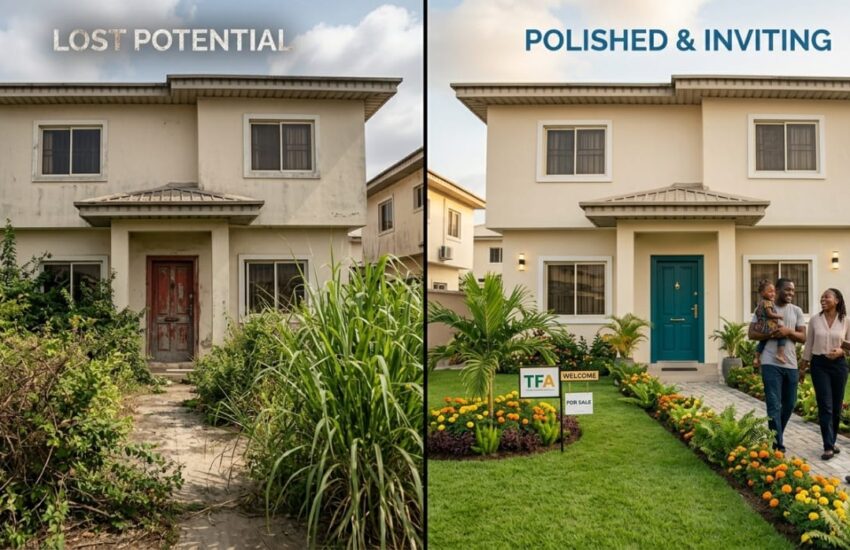
 I thought I had done everything right. I decluttered the interior, hired a stager, and painted the living room a neutral shade. The house looked beautiful. But when the first buyer drove up, they barely got out of the car. The feedback was brutal: “The yard looked neglected, and I just assumed the inside had issues too.” They left without even stepping through the front door.
That was the moment I learned that curb appeal is not just about making a house look nice. It is about shaping buyer expectations before they ever enter. A well-maintained exterior signals that the interior has been cared for. A neglected exterior raises doubts . Buyers form opinions within seconds of seeing a home, and those opinions stick.
I learned that curb appeal is not a luxury. It is a necessity. Research from UTA shows that homes with strong curb appeal sell for an average of 7% more than comparable homes in the same neighborhood . In slower markets, that premium can jump even higher. A well-kept exterior reduces perceived risk, and buyers are willing to pay for that reassurance.
The NAR report reinforces this: 99% of realtors believe curb appeal attracts strong buyers, and improvements can generate roughly a 238% return on investment . This was not about spending money. It was about spending smart.
I started with the basics. The first thing I did was power wash the siding, walkways, and driveway. It cost less than two hundred dollars to rent a machine, but it removed years of dirt and made the home look fresh . I also cleaned every window until they sparkled. The difference was immediate.
Then I turned to the yard. The lawn had bare patches. I reseeded and watered consistently. I trimmed overgrown bushes and added fresh black mulch around the flower beds . I did not plant anything elaborate. I just made sure what was there looked cared for. Virginia Tech research suggests landscape quality contributes as much as 15% of a home’s perceived value .
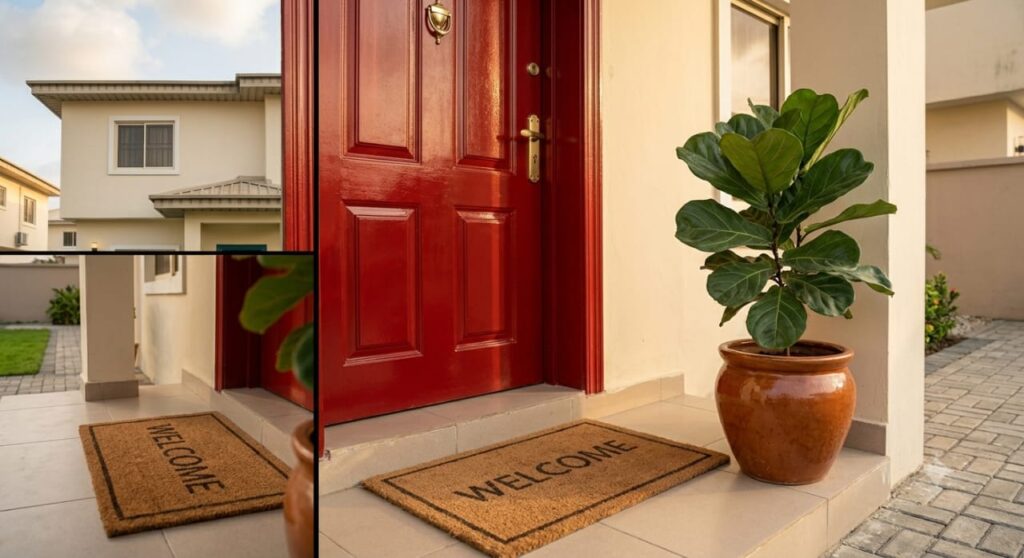
The front door was another priority. I painted it a bold, classic red . I replaced the outdated hardware and added a new welcome mat. That small investment made the entrance feel inviting and intentional. I also added a couple of potted plants near the steps. Simple, but effective.
Lighting was the finishing touch. I added solar lights along the walkway and placed a spot light to highlight a tree in the front yard . It made the house feel warm and safe. One agent I spoke to mentioned that updating exterior lighting is one of the most overlooked curb appeal investments . Buyers notice it, especially if they view the home at dusk.
I also made sure the details were right. I updated the house numbers, repaired a loose shutter, and made sure the mailbox was secure. These small fixes told a story of a home that was maintained, inside and out .
When the next showing happened, the buyers arrived with smiles. The yard was tidy, the entrance was welcoming, and they walked in with a positive mindset. They later told me that the exterior was what convinced them to schedule the viewing. That is the power of a good first impression. Curb appeal is not about hiding flaws. It is about presenting your home with pride.
There is so much more to learn about preparing your home for sale. Our website is filled with articles on staging, pricing, and making the right impressions. Head over and explore, because the right preparation starts at the curb.
References
National Garden Bureau. (2026, April 14). *Your ultimate guide to curb appeal*. https://nationalgardeningbureau.com/
Moving.com. (2021, June 22). *What is curb appeal and why does it matter?* https://www.moving.com/tips/what-is-curb-appeal-and-why-does-it-matter/
The Close. (2026, March 18). *What is curb appeal? Why it matters when selling a home*.
BUILD Magazine. (n.d.). *Why curb appeal matters*.
National Association of Realtors. (n.d.). *Curb appeal*.