

 Posted by
 When I first started in real estate, I thought success came from knowing the market, negotiating hard, and closing deals quickly. I focused on the transaction, not the experience. I was good at my job, but my clients rarely came back, and referrals were rare. I could not figure out why I was working harder than everyone else but still struggling to grow.
Then I had a conversation with a mentor that changed everything. He asked me one simple question: “If two agents can sell the same house for the same price, why would anyone choose you?” I did not have a good answer. That was the moment I realized that service, not skill, was my differentiator. I had been treating each transaction as an isolated event. I was wrong. Real estate is not about houses. It is about people. And people remember how you made them feel long after they forget the details of the deal.
The numbers prove this. According to the National Association of Realtors, 40% of buyers found their agent through a referral, and that number rises to 51% for first-time buyers. For sellers, referrals are even more critical, 66% used an agent who was referred to them. Most buyers and sellers only contact one agent before deciding. That means being the agent people recommend is not just nice. It is essential.
Research also shows that the real estate industry has room to improve. A 2025 customer service report ranked real estate ninth out of fifteen industries, with an index score of 78.4 out of 100. The sector received average scores for “service,” “satisfaction,” and “experience,” indicating an urgent need for investment in building positive customer relationships. That is both a warning and an opportunity. In a market where consumers have endless choices, exceptional service is how you stand out.
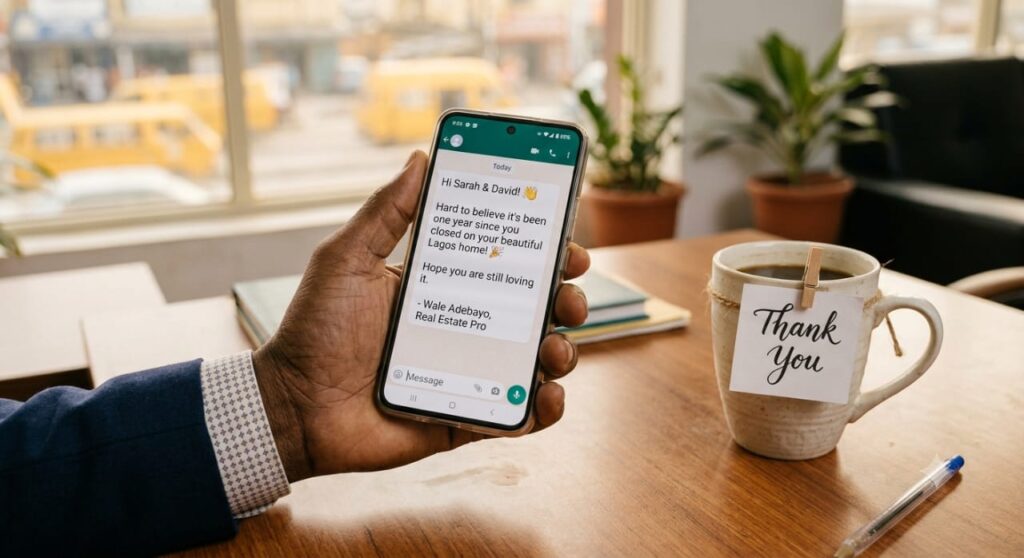
What does exceptional service actually look like? It starts with communication. A recent buyer survey found that 46% prioritize communication and availability when choosing an agent. Clients do not want to guess what happens next. They do not want to wonder if something important is falling through the cracks. Proactive communication, regular updates, clear timelines, and honest conversations build trust. When you keep clients informed before they have to ask, you reduce their anxiety and demonstrate that you are in control.
It also means thinking beyond the transaction. A customer-centric mindset means seeing each interaction as an opportunity to build long-term trust, not just closing a deal. It is remembering a client’s preferences, scheduling showings at times that suit them, and providing resources like checklists or contractor referrals. These small details create a seamless experience and transform a stressful process into a positive one.
In many ways, real estate is hospitality. Adam Fiteni, a successful agent and CEO, came from the restaurant industry and applies that philosophy to real estate. He distinguishes between service and experience. “Service is reactive and transactional,” he says. “Experience is proactive and emotional. It is about how people feel at every touchpoint”. That is a critical distinction. Answering a phone call is a service. Guiding a buyer through a complex journey with care, explaining every step, and making them feel valued whether they buy or not, that is experience. And experience is what people remember.
Another key lesson I learned is that culture matters. A real estate team’s culture does not stay behind closed doors. It shows up in how agents communicate, collaborate, and handle challenges. When a team values accountability and follow-through, clients experience responsiveness and reliability. When a team promotes respect, clients feel that too. Strong cultures create strong client relationships. When clients feel supported and cared for, they will return and refer others.
Research supports this. One study found that more than 80% of buyers and sellers say they would use their agent again, yet fewer than 20% actually do. That gap is not a marketing problem. It is a relationship problem. Agents chase new leads while neglecting the people who already trust them. The solution is simple: nurture the relationships you already have. A handful of thoughtful, low-pressure connections each year can outperform thousands of dollars in lead generation. It is the emotional bank account. Every positive interaction is a deposit. When you make regular deposits, reaching out feels natural, not awkward.
So, what can you do? Start by defining what great service looks like for your team. Create a communication rhythm clients can count on, such as weekly updates. Celebrate milestones like home purchase anniversaries. Offer value beyond the sale, such as seasonal maintenance tips or market insights. And always ask for feedback. Some brokers implement surveys at closing, 30 days post-close, and one year post-close to gauge what areas need improvement.
In real estate, your brand is built on trust, not transactions. And trust comes from consistent, human, service-oriented relationships.
There is so much more to learn about building a service-based real estate career. Our website is filled with articles on client relationships, referrals, and growing your business. Head over and explore, because exceptional service is not just the right thing to do. It is the smartest business decision you will ever make.
References
Digon Zini. (2024, July 16). *The role of customer service in real estate success*. https://www.digonzini.com/blog/the-role-of-customer-service-in-real-estate-success
Keveland. (2025, September 28). *Real estate customer service: Why it matters*. https://www.keveland.com/post/why-excellent-customer-service-matters-in-real-estate
Customer Service Manager. (n.d.). *Why the property sector relies on customer service
Boldesk. (2026, June 14). *10 proven ways to improve real estate customer service*. https://www.bolddesk.com/blogs/real-estate-customer-service
GigaBPO. (2026, February 5). *Real estate customer service playbook*. https://gigabpo.com/real-estate-customer-service/