 Posted by
 When I first started in real estate, I thought my job was to sell. I focused on features, square footage, and market data. I had the facts, but something was missing. Buyers were hesitant. I needed to build trust, not just provide information. I had to show them that I had helped others like them achieve their goals. Social proof did that for me.
Social proof is the psychological phenomenon where people assume the actions of others reflect the correct behavior for a given situation. In simpler terms: we trust what others have done before us. In real estate, social proof is one of the most powerful tools you can use to build buyer confidence. When buyers see that others have chosen you, they are more likely to trust you.
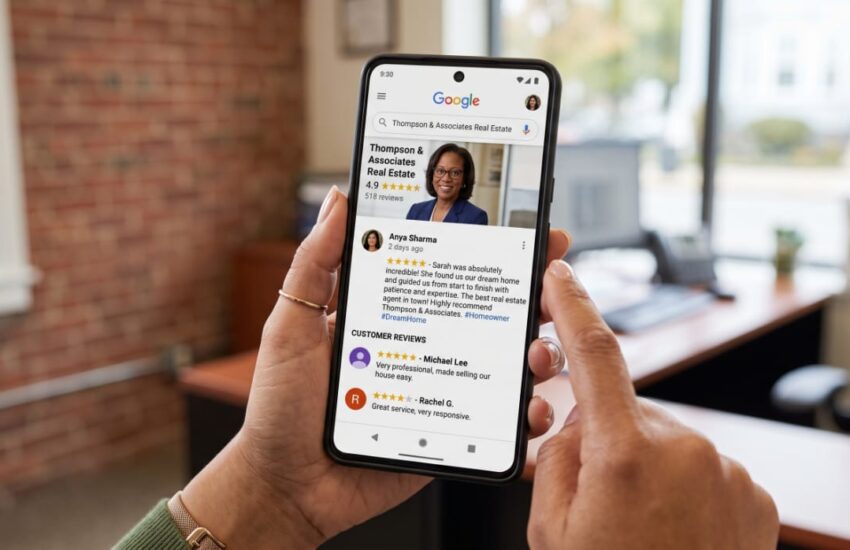
The first form of social proof I used was testimonials. I asked past clients to share their experience in a few sentences. I displayed these on my website, social media, and in my email signature. They were not just compliments; they were evidence. They told potential buyers, “This agent helped someone like me, and they were happy with the outcome.” When a buyer sees that you have a proven track record, their hesitation fades.
Video testimonials are even more powerful. A written review is helpful, but a video of a client speaking about their experience is far more impactful. It conveys emotion and authenticity. It is harder to fake, and it builds instant trust. I learned to ask clients if they would be willing to share their story on camera. Most said yes. Those videos became my most effective marketing tool.
Reviews on public platforms like Google, Zillow, and Facebook are also essential. Potential buyers often search for agents online before reaching out. When they see that you have consistent positive reviews, you have already built credibility before they even make contact.
I also learned to use social proof through case studies. Sharing a detailed story of a client’s journey from hesitation to success is incredibly persuasive. I focused on the challenges they faced and how I helped them navigate the process. Buyers who were in a similar situation could see themselves in that story. They could imagine their own success.
Another overlooked form of social proof is your network. When you are connected to respected professionals in your community, that association builds credibility. I started collaborating with local lenders, inspectors, and attorneys who were well-respected. When buyers saw that these professionals trusted me, they did too.
I also made sure my online presence reflected authority. I posted market insights and helpful tips on social media. I shared success stories and milestones. I was not just selling. I was demonstrating expertise. Over time, I built a reputation as someone who knows what they are doing. That reputation itself is a form of social proof.
One of the most practical strategies I used was creating a “Just Sold” email. This simple newsletter tells the story of a recent sale, including photos, key details, and a brief testimonial. It serves as a micro-case study that demonstrates your ability to deliver results. It is subtle but effective.
Encouraging clients to share their experience on social media is another powerful strategy. A simple post from a happy client reaches their network, extending your reach far beyond your immediate circle. It also provides authentic, third-party validation that is often more convincing than anything you could say about yourself.
I also started listing my credentials prominently. If I had any relevant designations or awards, I made sure they were visible. Credentials are a form of social proof that signal professionalism and expertise. They tell buyers, “This person has invested in their development.”
Building social proof takes time, but it is worth the investment. Testimonials, reviews, and visible success create a foundation of trust that helps buyers move from hesitation to confidence. You are not just selling a home. You are selling the confidence to make one of the biggest decisions of their life.
There is so much more to learn about building trust and closing more deals. Our website is filled with articles on marketing, client relationships, and social proof strategies. Head over and explore, because when you prove your value, buyers will choose you.
References
Trustpilot. (2026, August 21). *The psychology behind trust signals: Why and how social proof influences consumers*.
Belhassen, Y. (2025). *The influence of online social proof on consumer decision-making*.
University of Twente. (n.d.). *The effect of social proof on customer purchases*.
UNM Management Journal. (2026, May 3). *Digital social proof and consumer purchase decision process in the digital era*.
Journal of Social Research. (2023, August 30). *The effects of social proof marketing tactics on nudging consumer purchase*.