 Posted by
 Two years ago, I thought I’d found the perfect solution. My credit wasn’t ready for a mortgage, but I had a steady income and a desperate desire to own a home. A friend mentioned rent-to-own, and I dove into online listings. I found a property, talked to an agent, and almost signed a contract that would have cost me thousands.
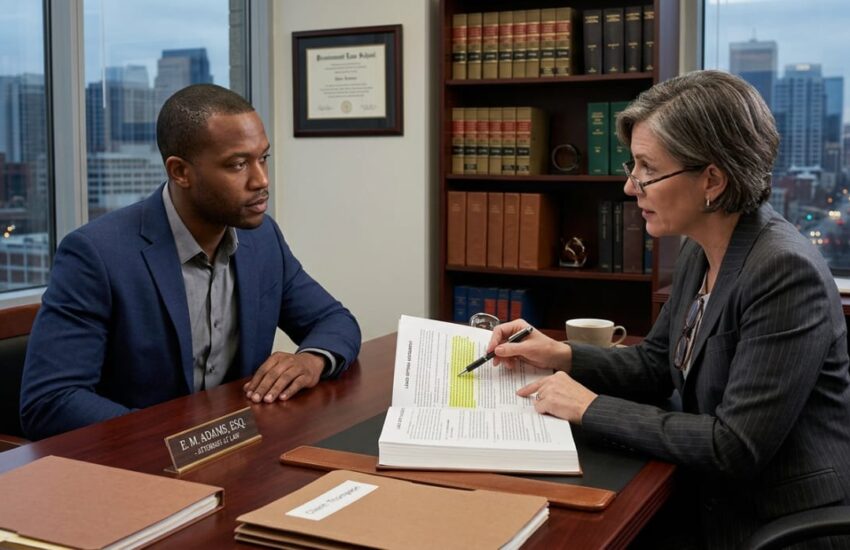
The agent seemed friendly. The house was beautiful. The terms sounded reasonable. But something made me pause. I hired a real estate attorney to review the paperwork, and what she found stopped me in my tracks. Hidden fees, unclear maintenance responsibilities, and a purchase price locked in far above market value. The agent had never explained any of the risks associated with the transaction. He wasn’t a specialist. He was just trying to close a deal. That narrow escape taught me how to find a realtor who actually understands rent-to-own, and how to spot the ones who don’t.
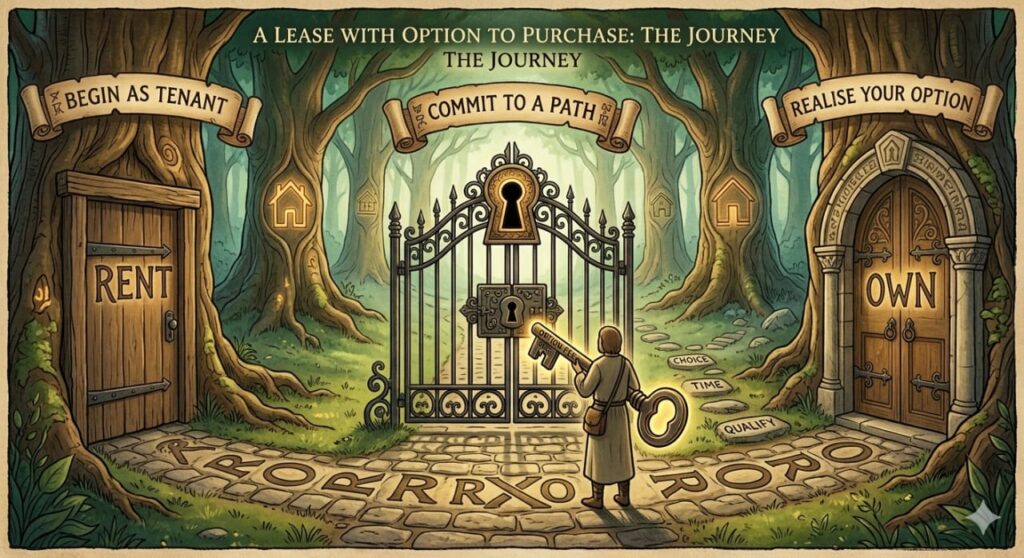
Rent-to-own, also called lease option or lease-to-own, is a rental agreement that gives you the right to buy the property later at a pre-negotiated price. You pay an upfront option fee, typically one to five percent of the purchase price, and higher monthly rent, with a portion credited toward your future down payment. At the end of the lease term, you can exercise the option to buy or walk away.
But here’s the problem. Most realtors have never closed a rent-to-own deal. They’ve heard of the concept, but they don’t understand the legal complexities, the tax implications, or the risks. Working with a generalist in this niche is dangerous.
Start your search by asking the right questions. Call local agencies and ask directly: “Does anyone here have experience actually closing rent-to-own transactions?” Not “has heard of them.” Not “could figure it out.” Actual closed deals. An agent who has successfully structured a lease option will know the answer immediately.
When you interview potential agents, ask about their understanding of the two main structures. A lease option gives you the right, but not the obligation, to buy at the end of the term. A lease purchase obligates you to buy. The distinction matters enormously for your risk exposure. A knowledgeable agent will explain this difference without hesitation.
Ask about the option fee. A legitimate specialist will tell you that option fees are substantial because the seller is taking the property off the market. If an agent describes a deal with a tiny upfront fee and rent at market value, that’s a red flag.
The right agent will also emphasize documentation. A real rent-to-own contract runs dozens of pages and spells out the exact purchase price, how much rent credits toward your down payment, who pays for repairs and property taxes, and what happens if you miss a payment. If an agent shows you a one-page agreement or says “we’ll figure it out later,” walk away.
Another key question: “How do you verify the seller actually owns the property free and clear?” Scammers have been known to offer rent-to-own on homes they don’t fully own, properties in foreclosure, or houses with existing liens. A specialist agent will insist on a title search before you put down any money.
Ask about their network. A true rent-to-own specialist works with real estate attorneys who understand these transactions. They have relationships with lenders who recognize lease option credits. They can refer you to title companies that know how to protect your interest in the property.
The best agents in this niche are often patient with buyers who aren’t mortgage-ready. They understand credit repair, down payment assistance programs, and the timeline for getting you from renter to owner. They won’t push you into a deal you’re not ready for.
When you have a candidate, check their professional credentials. Are they licensed and in good standing? Have they completed continuing education in alternative financing? Look for agents who have earned designations like the Accredited Buyer’s Representative (ABR), which signals advanced training in representing buyers.
I eventually found my specialist through a real estate investor group, not through an online search. Investors use lease options frequently, and they know which agents understand the structure. Attend local meetups, ask for recommendations, and follow the names that come up repeatedly.
Finally, trust your gut. If an agent seems confused by your questions, rushes you toward vague terms, or downplays the risks, they’re not the right fit. A good specialist will be transparent, detailed, and slightly cautious. They’ll tell you what can go wrong, not just what could go right. Rent-to-own can be a legitimate path to homeownership. But it can also be a trap if you don’t have the right guidance. The agent you choose makes all the difference.
There’s so much more to learn about alternative paths to homeownership. Our website is filled with articles on creative financing, finding the right agents, and protecting your interests. Head over and explore, because the right agent helps you walk through the right door.
References
Federal Mortgage Bank of Nigeria. (n.d.). *Rent-to-own housing scheme*. https://www.fmbn.gov.ng/documents/rent_to_own.pdf
Nigeria Housing Market. (2026, March 22). *Rising rent crisis: FG rolls out new housing support for urban dwellers*. https://www.nigeriahousingmarket.com/news/fg-rent-crisis-rent-to-own-housing-nigeria
Oladapo, R. A. (2023). *Rent-to-own housing model: A sustainable strategy for low-income housing delivery in Nigeria*. International Journal of Scientific Research & Engineering Trends, 9(2), 195. https://ijsret.com/wp-content/uploads/2023/03/IJSRET_V9_issue2_195.pd
Adewale, B., & Ogunleye, E. (2023). An assessment of Lagos State Government’s rent-to-own scheme on housing affordability. *International Journal of Research and Innovation in Social Science*, 7(9), 272-289. https://rsisinternational.org/journals/ijriss/Digital-Library/volume-7-issue-9/272-289.pdf
Agbola, T. (1998). *The housing of Nigerians: A review of policy development and implementation in the housing sector* (Research Report No. 14). Development Policy Centre.