
 Posted by
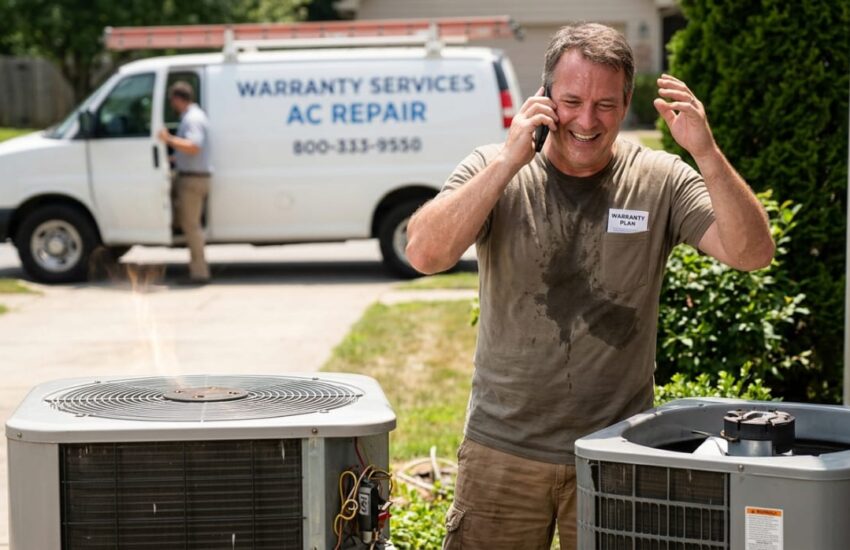
 The air conditioner died on the hottest day of the year. I was three months into homeownership, still recovering from closing costs, and facing a four-thousand-dollar repair bill. Then I remembered the home warranty my realtor had strongly suggested I buy. I called the number, skeptical that anything would actually be covered.
Within 48 hours, a technician diagnosed the problem. Within a week, the warranty company approved the replacement. I paid a service fee of seventy-five dollars. They covered the rest.
That experience turned me from a skeptic into a believer. Understanding the importance of home warranties in real estate transactions saved me thousands of dollars in my first year alone.
A home warranty is a service contract that covers the repair or replacement of major home systems and appliances. Think HVAC, electrical, plumbing, water heaters, refrigerators, washers, dryers, and ovens. It’s not insurance. Insurance covers sudden damage like fires or storms. Warranties cover normal wear and tear.
When I was buying my home, my realtor explained the difference clearly. Homeowners’ insurance protects you from disasters. A home warranty protects you from old stuff breaking. Since I was buying an older home with original appliances, she strongly recommended a warranty for the first year.
The first thing to understand is what a warranty covers. Basic plans typically include heating, cooling, electrical, plumbing, and water heaters. Upgraded plans add kitchen appliances, laundry machines, and sometimes pool equipment or septic systems. Read the fine print carefully. Some policies have coverage caps. Some exclude specific components. A good realtor helps you compare options.
I learned this when my dishwasher broke six months after the AC. The warranty covered it, but only up to five hundred dollars. The repair cost six hundred. I paid the difference. That was disappointing, but still better than paying the full amount.
Pricing varies by provider and coverage level. Expect to pay three hundred to six hundred dollars annually for a basic plan. Service fees range from seventy-five to one hundred twenty-five dollars per claim. Some sellers offer a one-year warranty as a closing gift. My seller did, which meant I didn’t pay for the first year at all.
Timing matters. Warranties are most valuable in the first year of ownership, when you’re cash-poor and still discovering the home’s hidden issues. After that, you might decide to self-insure by setting aside money for repairs. But that first year, the warranty gave me incredible peace of mind.

Not every claim gets approved. I learned this when my garage door opener stopped working. The warranty company denied the claim, citing a pre-existing condition. The fine print excluded issues that weren’t discovered during a pre-purchase inspection. My inspector had noted the opener was old but still functional. That wasn’t enough. I paid out of pocket.
My realtor warned me about these limitations up front. Warranties aren’t magic. They have exclusions, waiting periods, and claim limits. The best approach is to read the sample contract before you buy. Don’t wait until something breaks to understand what’s covered.
The claims process varies by company. Some have networks of approved contractors. Others let you choose your own. My warranty company’s network was decent but not great. The first plumber they sent was slow and overbooked. I learned to push for a different contractor when needed. My realtor coached me on how to escalate complaints.
For sellers, offering a home warranty can be a smart negotiation tool. It signals that you’re standing behind the home’s condition. It gives buyers confidence. In competitive markets, a warranty can make your listing stand out. My seller offered one without me even asking. It made me trust them more.
For buyers, ask your realtor for warranty recommendations. Agents see which companies pay claims promptly and which fight every request. They know which contractors are reliable. My realtor’s recommendation saved me from choosing a company with terrible customer service reviews.
The first year of homeownership is expensive. There are always surprises. A home warranty won’t cover everything, but it can protect you from catastrophic costs. My AC replacement alone made the warranty worth years of premiums.
If you’re buying a home with older systems, especially in a climate where heating or cooling is essential, a warranty makes strong sense. If the home has new appliances and recent system upgrades, you might skip it. Your realtor can help you assess the risk.
I still have a home warranty, five years later. I could probably self-insure now, but the peace of mind is worth the annual cost. When something breaks, I don’t dread the repair bill. I pay the service fee and move on.
There’s so much more to learn about protecting your investment after closing. Our website is filled with articles on home warranties, maintenance planning, and working with trusted professionals. Head over and explore, because peace of mind is worth the price.
References
ConsumerAffairs. (2021, March 23). *Buyers vs. sellers home warranty*. https://www.consumeraffairs.com/homeowners/buyers-vs-sellers-home-warranty.html
Porch Warranty. (2024, February 27). *How home warranties are utilized in real estate transactions*. https://porchwarranty.com/blog/home-warranties-utilized-real-estate-transactions
Lagos Wealth Advisors. (n.d.). *Making sense of a home warranty*. https://www.lagosadvisors.com/resource-center/insurance/making-sense-of-a-home-warranty*
Penlit & Greyson Solicitors. (2025, October 20). What to include in a real estate sales agreement https://www.penlitandgreyson.com.ng/2025/10/20/real-estate-and-wealth-management-what-to-include-in-a-real-estate-sales-agreement
Van Nuis, R. (1970). Real property—Implied warranty in the sale of a new house by the vendor. *Kentucky Law Journal, 58*(3), 745-750. https://uknowledge.uky.edu/cgi/viewcontent.cgi?article=2770&context=klj